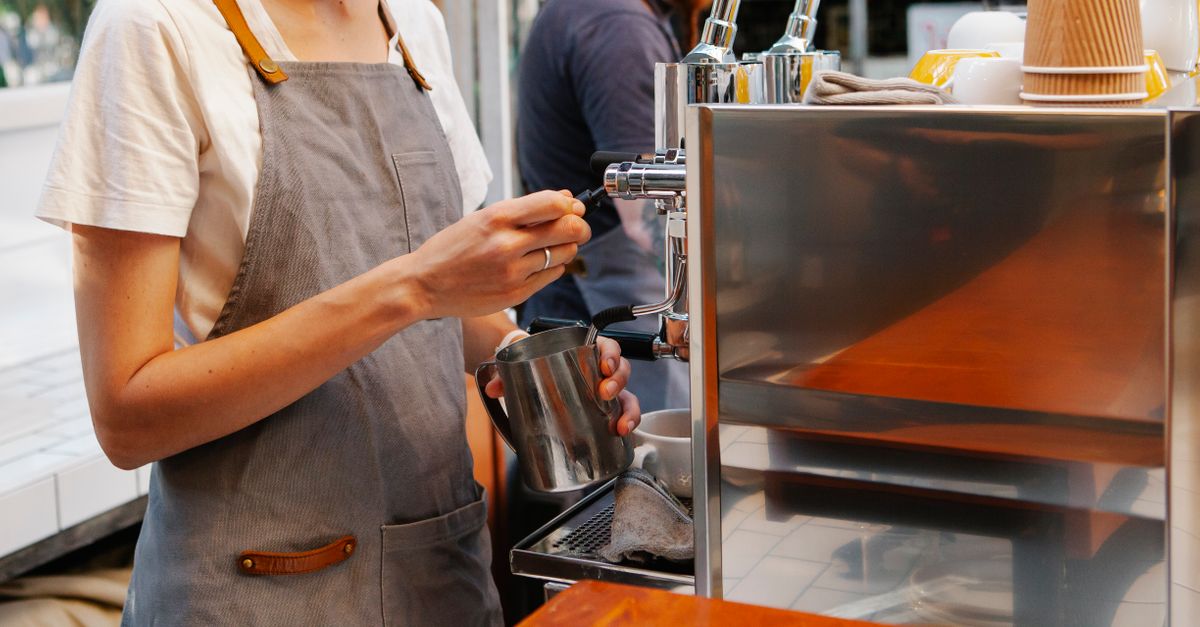
Why Most Budget Home Espresso Machines Fail (And What Actually Works for Real Cafe-Quality Coffee)
You’ve seen the gleaming ads: a beautiful espresso machine, a steaming latte art swirl, all for under $200. It’s tempting, isn’t it? The dream of barista-level coffee in your kitchen, every morning, without the cafe price tag. I’ve fallen for it, many times. That hopeful unboxing, the first few shots that seem decent enough, and then… the slow, inevitable slide into disappointment. The lukewarm coffee, the sour shots, the sputtering steam wand that barely heats milk. Eventually, these machines end up gathering dust in a cabinet, another well-intentioned purchase that didn’t deliver. The truth is, most budget home espresso machines are designed to look the part, not necessarily to perform it, and that’s a crucial distinction many coffee enthusiasts learn the hard way.
In my experience, the biggest mistake people make is believing that any machine labeled ‘espresso maker’ will produce genuine espresso. It simply isn’t true. True espresso requires precise temperature, consistent pressure, and the ability to finely tune variables, all of which are severely compromised in cheaper models. What you often get instead is highly concentrated, bitter coffee masquerading as espresso, and a whole lot of frustration. After years of chasing the affordable dream, I’ve learned that achieving cafe-quality coffee at home isn’t about spending a fortune, but about understanding where to invest and what compromises are simply not worth making.
Key Takeaways
- Most budget espresso machines fail due to inconsistent temperature, inadequate pressure, and poor grind quality, leading to bitter or weak shots.
- Invest in a quality burr grinder first, as fresh, consistent grind size is the single most critical factor for good espresso.
- Prioritize temperature stability and consistent pump pressure in your machine, even if it means a higher initial investment.
- Consider manual or semi-automatic methods like a Moka Pot, Aeropress, or Flair Espresso Maker for true espresso-like results on a tighter budget.
The Temperature Tango: Why Consistency is King (and Missing in Action)
Think about the best espresso you’ve ever had. It likely wasn’t scalding, nor was it lukewarm. It was just right, extracting all those rich flavors without burning them. This ‘just right’ is typically around 195-205°F (90-96°C). In professional machines, this is achieved through sophisticated boiler systems and PID (Proportional-Integral-Derivative) controllers that maintain an incredibly stable temperature. In a budget home machine, however, you’re usually looking at a thermoblock heating system. While faster to heat up, these thermoblocks are notorious for temperature instability. They fluctuate wildly during the shot, especially if you’re pulling multiple shots or steaming milk right after.
I vividly recall one cheap machine I owned where the first shot might be decent, but the second one, pulled just minutes later, would be noticeably cooler and taste sour or underdeveloped. This inconsistency means you’re constantly guessing, wasting coffee, and never really knowing what you’ll get. What changed everything for me was understanding that temperature stability is non-negotiable for true espresso. Without it, you’re essentially just pouring hot water through coffee, not extracting its nuanced flavors.
The Pressure Predicament: 15 Bar is Not What You Think
Many budget machines proudly advertise ‘15 Bar Pressure!’ on their boxes. Sounds impressive, right? Like more must be better. The reality, however, is that genuine espresso extraction requires about 9 bars of pressure. Anything significantly higher, especially without proper control, is often detrimental. The 15 bars advertised on cheaper machines often refers to the maximum pressure the pump can generate, not the pressure at which the water is delivered to the coffee grounds. There’s usually an over-pressure valve (OPV) that’s set too high, or worse, no effective OPV at all.
This excessive, uncontrolled pressure blasts through the coffee puck, leading to uneven extraction and channels. Imagine trying to gently water a delicate plant with a firehose – you’d just blast the soil away. The same principle applies to espresso. You need consistent, controlled pressure to gently push the water through the finely ground coffee, extracting all the good stuff evenly. My early machines always delivered shots that were either watery (if the grind was too coarse) or painfully bitter (if too fine, and the high pressure just chewed through it). The moment I used a machine with a properly regulated 9-bar pump, the difference in shot quality was like night and day.
The Grind-Quality Conundrum: Why Your Built-In Grinder is a Trap
If there’s one piece of advice I wish I could give my younger, caffeine-addicted self, it’s this: A good grinder is more important than a good espresso machine. Many budget espresso machines come with a built-in grinder, which seems convenient, but it’s almost always a compromise that sabotages your coffee. These integrated grinders are typically blade grinders (which chop coffee unevenly, creating ‘boulders and dust’) or very low-quality burr grinders that simply can’t produce the consistent, fine grind necessary for espresso.
Espresso is incredibly sensitive to grind size. Even a slight variation can drastically alter the taste, leading to underextraction (sour, weak coffee) or overextraction (bitter, acrid coffee). With an inconsistent grind, you’ll have some particles too fine and others too coarse, leading to both under and over-extracted flavors in the same shot. This was the most frustrating aspect of my early home espresso journey. I could never get a consistent shot because the grinder wasn’t up to the task. Investing in a separate, high-quality burr grinder (even if it costs as much as, or more than, your machine) will elevate your coffee more than any other single factor. It’s the hidden hero of good espresso.
The Milk-Steaming Mirage: Lukewarm Lattes and Foamy Fiascos
Beyond the espresso itself, many of us dream of silky, perfectly steamed milk for lattes and cappuccinos. Budget machines, with their undersized thermoblocks and weak steam wands, often make this an exercise in futility. They simply can’t generate enough consistent steam pressure or temperature to create that microfoam texture you get at a cafe.
I’ve spent countless mornings with sputtering wands, trying to coax anything but huge bubbles from my milk. The result was always a lukewarm, overly foamy beverage that barely resembled a latte. True microfoam requires powerful, dry steam delivered with consistent pressure. This allows you to incorporate air and then texture the milk, transforming it into a velvety liquid. What actually works? A machine with a dedicated boiler for steam, or at least a powerful, well-designed thermoblock that can maintain pressure. Alternatively, for those on a strict budget, a separate milk frother or even a French press can produce surprisingly decent milk foam, bypassing the machine’s weak steam wand entirely.
The Path to Real Cafe-Quality Coffee at Home (Without Breaking the Bank)
So, if budget machines are a trap, what actually works? It’s about strategic investment and understanding trade-offs.
Prioritize the Grinder: This is non-negotiable. Save up for a quality burr grinder first. Aim for something like a Baratza Encore ESP or a Fellow Opus for electric, or a Kingrinder K2/K4 or 1Zpresso J-Max for manual. This ensures you have fresh, consistently ground coffee, which is 80% of the battle.
Choose Your Machine Wisely (or Differently): If your budget is under $300 for the machine, consider these alternatives to a ‘budget espresso machine’:
- Moka Pot: While not true espresso, a Moka Pot (stove-top espresso maker) makes a strong, concentrated coffee that’s excellent with frothed milk. It’s incredibly affordable and robust. Pair it with your new burr grinder.
- Aeropress: This versatile little device can make a very strong, espresso-like concentrate. Again, not true espresso, but remarkably good, consistent, and easy to clean. Perfect for travel too.
- Flair Espresso Maker: This is a manual espresso maker that actually produces real, legitimate espresso shots, complete with crema, for a few hundred dollars. It requires patience and a good grinder, but the results are astounding for the price. This is what changed my perspective on affordable, quality espresso at home.
For Entry-Level Espresso Machines (Budget $400-$700): If you’re set on a pump-driven espresso machine, save a bit more. Look for machines known for temperature stability and a decent 9-bar pump (even if it’s adjustable). Brands like Gaggia Classic Pro, Breville Bambino Plus, or even a used Rancilio Silvia are excellent starting points. They offer the foundational consistency needed for good espresso.
Embrace Freshness: Always use freshly roasted coffee beans (roasted within the last 2-4 weeks). Store them in an airtight container away from light and heat. Grinding right before brewing is paramount.
What changed everything for me was realizing that the journey to good home coffee isn’t about buying the cheapest machine that looks like a cafe’s. It’s about respecting the physics and chemistry of espresso and making smart, informed investments in the tools that truly matter. Start with the grinder, explore manual methods, and save for a machine that prioritizes consistency over flashy marketing. Your taste buds (and your wallet, long-term) will thank you.
Frequently Asked Questions
## What is the absolute minimum I should spend to get ‘good’ espresso at home?
If you want true espresso with consistent pressure and temperature, expect to spend at least $400-$700 on a machine like the Breville Bambino Plus or Gaggia Classic Pro. However, this budget must also include a quality burr grinder, which could be another $150-$250. So, realistically, a minimum of $550-$950. For espresso-like concentrated coffee, a Moka Pot ($30-$50) or Aeropress ($40-$60) with a decent manual grinder ($70-$150) can get you started for under $200.
## Why is a good grinder so important for espresso?
Espresso extraction is incredibly sensitive to grind size and consistency. A good burr grinder produces uniform particles, allowing water to flow evenly through the coffee puck, extracting flavors consistently. A cheap grinder produces inconsistent particles, leading to underextraction (sour, weak) and overextraction (bitter, acrid) simultaneously, resulting in a harsh, unbalanced shot.
## Can I upgrade a budget espresso machine to make it better?
Minor upgrades like a better tamper or a non-pressurized portafilter basket can help, but you can’t fundamentally change a machine’s inherent limitations in temperature stability, pump quality, or steam power. These are built into the core design. You’ll hit a ceiling very quickly.
## What’s the difference between a thermoblock and a boiler system for heating?
A thermoblock heats water on demand by running it through a metal block. It’s fast but often struggles with temperature stability, especially during extraction or when steaming milk. A boiler system heats a reservoir of water to a consistent temperature, offering much better stability for both brewing and steaming, making it preferred for quality espresso.
## Are manual espresso makers like Flair worth it?
Absolutely, if you’re on a budget and prioritize shot quality over convenience. Manual makers like Flair or Cafelat Robot provide incredible control over pressure and produce genuine, delicious espresso. They require more effort and a good grinder but offer exceptional value for their shot quality compared to electric machines in the same price range.
Ultimately, the quest for cafe-quality coffee at home is a journey, not a single purchase. It’s about understanding the core principles of espresso and making informed decisions about where to allocate your resources. Don’t fall for the marketing hype of cheap machines. Instead, invest strategically, starting with your grinder, and build your home barista setup one thoughtful piece at a time. The satisfaction of pulling a truly excellent shot, perfectly balanced and rich with crema, is a reward that far outweighs the initial frustration of those sputtering, lukewarm budget machines. So, take the leap, but do it wisely. Your mornings will thank you.
Written by Sarah Ellison
Home organization and mindful living
A former features editor, Sarah brings a keen eye for detail and a talent for distilling complex ideas into relatable advice.
You Might Also Like
Why Most Personal Reinventions Crumble (And The Layered Identity Strategy That Actually Works)
Discover why grand personal reinventions often fail and how a layered identity strategy offers sustainable change. Learn to build lasting habits.
Why Your Homemade Cookies Are Flat (And The Simple Fixes That Guarantee Puffy Results Every Time)
Ever wonder why your homemade cookies spread out into flat, crispy discs? Discover the hidden culprits and simple fixes to achieve perfectly puffy, chewy cookies every time.

Why Most Budget Home Speakers Fail (And What Actually Works for Truly Great Sound)
Don't fall for marketing hype! Discover why cheap home speakers disappoint and how to get impressive audio without breaking the bank.