Why Most Beginners Fail at Mastering Their New Air Purifier (And The Layered Approach That Actually Works)
You just invested in an air purifier, hoping to finally clear the air in your home – literally. Maybe you’re battling seasonal allergies, pet dander, or just the general staleness that seems to cling to modern indoor spaces. You unbox it, plug it in, hit ‘auto,’ and expect a breath of fresh air. A few weeks later, you might notice your allergies are still flaring, that lingering pet smell hasn’t vanished, or perhaps you’re wondering if the machine is even doing anything at all. In my experience, this is the exact moment most people start to question their purchase, eventually relegating their expensive new gadget to a corner where it collects more dust than it removes.
This isn’t a failure of the technology; it’s a failure of approach. Most beginners treat an air purifier like a ‘set it and forget it’ appliance, not realizing that achieving truly clean indoor air requires a more nuanced, layered strategy. Think of it like trying to get fit by just buying a gym membership – it’s a great first step, but without consistent effort and the right routine, you won’t see results. The air in our homes is a complex ecosystem, constantly assaulted by microscopic particles, volatile organic compounds (VOCs), and allergens. A single machine, running on default settings, often can’t keep up. The mistake I see most often is failing to understand the invisible enemies in our air and how to strategically deploy our defenses.
What changed everything for me, and for many of my clients, was adopting a layered approach to air purification. It’s not just about running the machine, but understanding its role within a broader strategy that addresses sources, optimizes placement, and maintains efficiency. This isn’t about becoming a clean-air fanatic, but about making a few informed adjustments that significantly multiply your purifier’s effectiveness and, ultimately, your well-being.
Key Takeaways
- Most beginners fail by treating air purifiers as ‘set it and forget it’ devices, overlooking crucial strategic adjustments.
- Effective air purification requires understanding your specific indoor air pollutants and the machine’s role in a layered defense.
- Optimal placement and consistent maintenance are non-negotiable for maximizing your purifier’s performance and filter lifespan.
- Integrating source control and regular ventilation with your air purifier creates a comprehensive strategy for truly clean air.
The Silent Saboteurs: Understanding Your Specific Air Pollutants
The biggest misconception I encounter is the belief that ‘bad air’ is a singular, undifferentiated problem. In reality, your indoor air quality is likely a cocktail of very specific pollutants, each requiring a slightly different strategy. Without identifying your primary invisible enemies, your air purifier is essentially fighting blind. Are you battling pet dander that constantly floats from your furry friends? Or perhaps pollen that sneaks in through every open window, triggering seasonal allergies? Maybe it’s dust mites thriving in carpets and bedding, or VOCs (Volatile Organic Compounds) off-gassing from new furniture, paints, or cleaning products.
For example, a standard HEPA filter is excellent at capturing particulate matter like dust, dander, and pollen – typically particles 0.3 microns or larger with 99.97% efficiency. However, if your main concern is lingering cooking odors or the chemical smell from a new rug, a HEPA filter alone won’t cut it. You’ll need an air purifier with an activated carbon filter specifically designed to absorb gasses and odors. In my own home, when we renovated our study, the new paint smell (a classic VOC source) was overwhelming. Running our standard HEPA purifier did little. It wasn’t until I brought in a smaller unit with a robust activated carbon filter that the chemical odor began to dissipate within a couple of days. This taught me a valuable lesson: the right tool for the right job, even within air purification.
Take a moment to consider what you’re primarily trying to combat. If it’s general dust and allergens, a good HEPA filter is your workhorse. If it’s smoke, pet odors, or chemical off-gassing, ensure your unit has a substantial activated carbon component. Some high-end models offer both, providing a more comprehensive defense. Without this initial assessment, you’re just running a machine, not strategically purifying your air.
Strategic Placement: Why Location is Everything (And It’s Not Where You Think)
Many people plug their air purifier into the nearest outlet, often tucked away in a corner or behind furniture. This is akin to trying to clean your entire house with a single, strategically misplaced vacuum cleaner. Air purifiers work by drawing in air, filtering it, and then releasing cleaner air back into the room. If the airflow is obstructed or the unit is in a low-traffic area, its effectiveness plummets. In my early days, I put our first purifier in the living room, near a window, thinking it would catch outdoor pollutants. It barely made a dent.
The critical insight here is to place your purifier where pollutants are generated or most concentrated, and where there’s unobstructed airflow. For instance, if you have pets, placing the purifier near their favorite sleeping spot or where they spend most of their time will capture dander at the source. If allergies are your primary concern, your bedroom is often the most critical location, as you spend 7-9 hours there daily. Place the unit a few feet from the wall, away from corners, and certainly not behind curtains or bulky furniture. The goal is to allow the unit to draw in as much ambient air as possible.
Consider the volume of air your purifier can process, typically measured by its CADR (Clean Air Delivery Rate), and match it to the room size. A small purifier in a large, open-concept living space will struggle to keep up, no matter how perfectly placed. For a 250 sq ft bedroom, you might aim for a CADR of 150-200. For a larger 400 sq ft living room, you’d want closer to 250-300 CADR. Don’t be afraid to move your purifier around to different areas on different days if you have multiple zones of concern. What truly changed my approach was realizing I needed to treat my home as a series of distinct air zones, each with its own pollution patterns and optimal purifier placement.
Beyond ‘Auto Mode’: Optimizing Fan Speed for Real-World Impact
The ‘auto’ setting on many air purifiers feels convenient, but it can be a silent saboteur of your clean air goals. Auto mode typically uses sensors to detect particle levels and adjusts fan speed accordingly. The problem? These sensors are often rudimentary, only reacting after particle levels have risen significantly. This means your purifier spends too much time on low, quiet settings, allowing pollutants to accumulate, and only kicks into high gear when the problem is already noticeable. It’s like only turning on your windshield wipers after you can no longer see through the rain.
In my practice, I’ve found that a more proactive approach is far more effective. For most of the day, particularly in high-traffic areas or rooms with continuous pollutant sources (like pet zones or kitchens), running your purifier on a medium to high setting is essential. Yes, it will be louder. But the trade-off is significantly improved air quality. During peak cooking times, for example, I temporarily boost the purifier in my kitchen to its highest setting. Similarly, for bedrooms, I run the purifier on a higher setting for an hour or two before bed to thoroughly clean the air, then switch it to a low, quiet setting for continuous maintenance during sleep.
Consider running your purifier on a consistently higher setting during specific activities: during and after cooking, when you’re vacuuming, or if you’ve had windows open during high pollen counts. The CADR (Clean Air Delivery Rate) is typically measured at the highest fan speed. If you consistently run it on low, you’re only getting a fraction of that advertised purification power. Don’t be afraid to take control from the ‘auto’ setting and manually adjust the fan speed based on your daily rhythms and perceived air quality challenges.
The Overlooked Lifeline: Consistent Maintenance and Filter Replacement
This is perhaps the most critical, yet most neglected, aspect of air purification. A dirty filter isn’t just inefficient; it can actually re-release pollutants back into your air or become a breeding ground for bacteria and mold. Many beginners ignore filter replacement indicators or try to stretch filter life far beyond recommendations. In my experience, attempting to save a few dollars on filters often costs more in reduced air quality and potential health impacts. I’ve seen countless purifiers returned or discarded because they simply stopped working effectively, all due to neglected filters.
Filters are consumables, not permanent fixtures. Most manufacturers recommend replacing HEPA filters every 6-12 months and activated carbon filters every 3-6 months, depending on usage and air quality. If you live in a city with high pollution, have pets, or use your purifier on a high setting continuously, you might need to replace them more frequently. Some pre-filters are washable, which helps extend the life of the main filters, but always check your specific model’s instructions.
Make filter replacement a non-negotiable routine. Set a reminder on your phone or calendar. When you replace a filter, take note of how discolored and clogged it is – this visual reminder reinforces the work your purifier is doing. For my clients, I often recommend ordering replacement filters before the current ones are due, so there’s no lapse in coverage. This consistent, albeit seemingly mundane, maintenance is the single biggest factor in ensuring your air purifier delivers on its promise of cleaner, healthier air.
The Broader Ecosystem: Integrating Source Control and Ventilation
An air purifier is a powerful tool, but it’s not a magic bullet. Most beginners fail to integrate it into a broader clean-air strategy that includes source control and ventilation. Think of your home’s air quality as a bathtub. The air purifier is like the drain, constantly removing dirty water. But if you keep pouring in dirty water (new pollutants) and never open a window (ventilation), you’ll always be fighting an uphill battle.
Source control means identifying and minimizing pollutants at their origin. This can be as simple as:
- Using exhaust fans when cooking to remove smoke and odors.
- Opting for low-VOC paints and furniture when renovating.
- Regularly vacuuming with a HEPA-filtered vacuum to capture dust and allergens.
- Grooming pets regularly to reduce dander.
- Avoiding synthetic air fresheners, which often release VOCs.
- Using natural cleaning products instead of harsh chemicals.
Ventilation is equally crucial. Even with an air purifier, stagnant indoor air can accumulate CO2, humidity, and pollutants. Opening windows for 5-10 minutes a few times a day, even in winter (creating a cross-breeze), can dramatically refresh your indoor air. This exchange of indoor and outdoor air dilutes pollutants, giving your purifier a lighter load to handle. In my own home, I make it a point to open windows for at least 10 minutes every morning while I’m getting ready, even if it’s just a crack. It makes a noticeable difference in how fresh the air feels. It’s a combined strategy: reduce the amount of ‘dirty water’ entering the tub, occasionally empty the tub completely, and let the purifier constantly clean what’s left.
Frequently Asked Questions
Q: Can I run my air purifier 24/7?
A: Absolutely, and I highly recommend it for optimal results. Most modern air purifiers are designed for continuous operation and are energy-efficient enough not to significantly impact your electricity bill. Running it consistently ensures a continuous cycle of purification, preventing pollutants from accumulating.
Q: How many air purifiers do I need for my home?
A: This depends on the size and layout of your home and your specific concerns. Generally, you’ll need one purifier per main living area and each bedroom where people spend significant time. Aim to match the purifier’s CADR to the room size. In very open-concept homes, you might need a larger unit or multiple units strategically placed.
Q: Does keeping my windows open make my air purifier less effective?
A: While opening windows introduces outdoor air (and potentially outdoor pollutants like pollen), it’s still crucial for ventilation to reduce CO2 and dilute indoor pollutants. The best approach is a balanced one: open windows for short periods for fresh air exchange, and then let your air purifier clean any incoming particulate matter. If outdoor air quality is very poor (e.g., during wildfire smoke), keep windows closed and rely solely on your purifier.
Q: Are expensive air purifiers always better?
A: Not necessarily. While higher-priced units often offer more features (e.g., smart controls, better sensors, larger CADR, more robust carbon filters), a mid-range purifier with a true HEPA filter and adequate CADR for your room size can be incredibly effective. Focus on the core specifications and filter quality rather than just brand name or price tag.
Q: Can essential oil diffusers or scented candles harm my air quality?
A: Yes, they can. While they smell pleasant, many diffusers and scented candles release VOCs and ultrafine particles into the air. If you’re using an air purifier to improve indoor air quality, it’s counterproductive to introduce additional pollutants. Consider natural alternatives like opening windows, using odor-absorbing charcoal, or even a bowl of baking soda for freshness.
Conclusion
Your air purifier is a valuable asset, but its true potential is often unlocked not by its ‘auto’ button, but by an informed, layered approach. By understanding your specific pollutants, strategically placing your unit, manually optimizing fan speeds, diligently maintaining filters, and integrating source control with regular ventilation, you transform it from a passive appliance into an active partner in your well-being. Don’t let your investment gather dust in the corner. Take control of your indoor air, breathe easier, and experience the tangible benefits of a truly clean home environment. Your next step? Check your purifier’s filter replacement schedule right now, and if it’s due, order new ones today.
Written by Dr. Anya Sharma
Health, nutrition, and stress reduction
A licensed nutritionist and wellness advocate, Anya focuses on accessible approaches to physical and mental well-being.
You Might Also Like
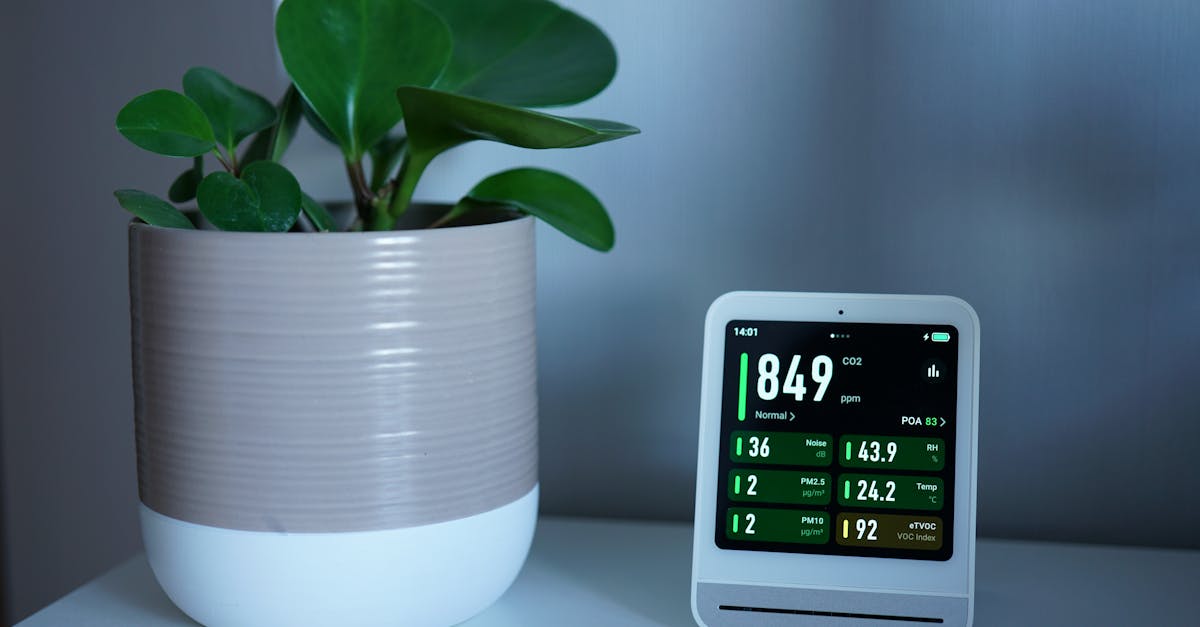
Why Most Beginners Fail at Mastering Their New Air Purifier (And The Layered Approach That Actually Works)
Don't let your new air purifier sit unused. Discover why common beginner mistakes hinder its effectiveness and learn a layered approach for genuinely cleaner air.

Why Most Beginners Fail at Mastering Meditation (And The Layered Approach That Actually Works)
Discover why traditional meditation advice falls short for beginners and learn a layered approach that cultivates lasting calm.

Why Most Beginners Fail at Personal Reinvention (And The Identity-First Approach That Actually Works)
Uncover why traditional personal reinvention methods fall short and how an identity-first approach creates lasting change. Authored by Dr. Anya Sharma.