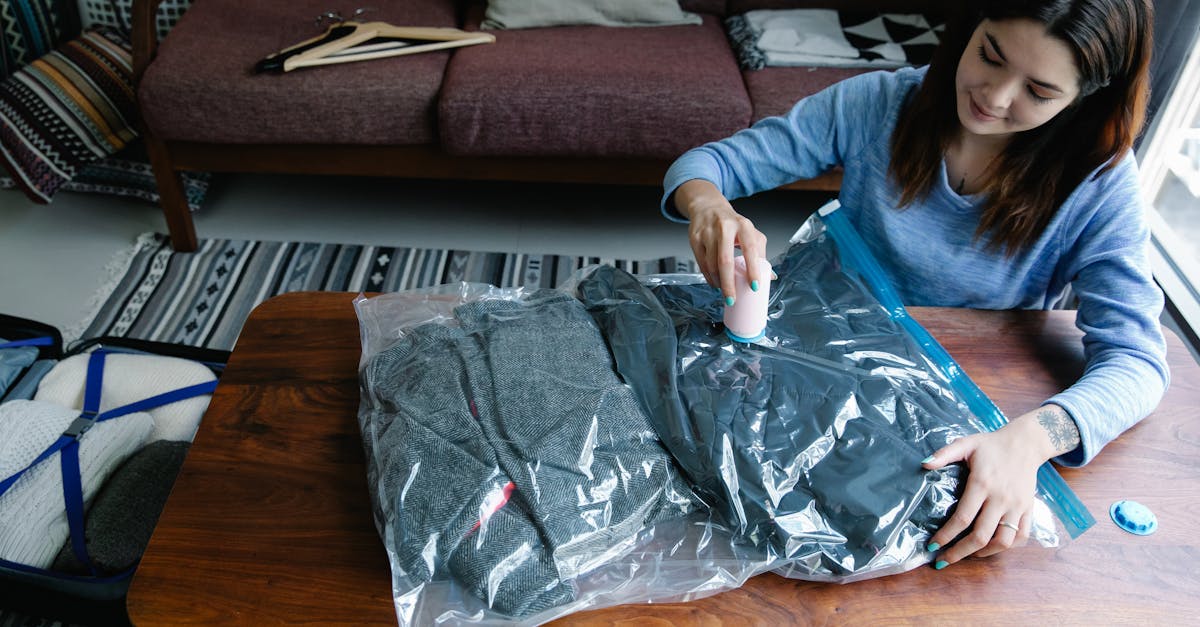
Every year, as the cherry blossoms burst and the days stretch longer, I face the same ritual: packing away my winter wardrobe. For years, this meant a frustrating Tetris match with oversized sweaters, bulky coats, and an army of wool blankets. My tiny linen closet was perpetually overflowing, my dresser drawers groaned under the weight, and I always felt like I was losing the battle against seasonal clutter.
Then came the allure of vacuum storage bags. The promise was irresistible: shrink bulky items to a fraction of their size, protect them from dust and pests, and reclaim precious storage space. I’d seen the commercials, watched the satisfying suction, and finally, last fall, I invested in a multi-pack. My plan was to use them for my entire winter wardrobe, storing everything away for a solid six months until the chill returned. Now, as spring 2026 rolls around and I’m retrieving my cold-weather gear, I have some very strong opinions about what worked, what spectacularly failed, and how I’ll be approaching seasonal storage going forward. It’s not the magic bullet everyone claims, but with a few crucial adjustments, it can be a game-changer.
Key Takeaways
- Vacuum bags are excellent for space-saving but require careful consideration for fabric types to prevent damage.
- Natural fibers like wool and cashmere need room to breathe and are generally unsuitable for long-term vacuum sealing.
- Thorough cleaning and complete drying are non-negotiable before vacuum sealing to avoid mildew and odors.
- Labeling bags meticulously saves significant time and frustration when retrieving items later.
- Investing in quality, thicker bags with robust seals prevents air leaks and maintains compression over time.
Not All Fabrics Are Created Equal for Compression
My biggest revelation, and frankly, my biggest mistake, was treating all my winter clothes as if they were equally suited for vacuum compression. I enthusiastically stuffed everything from chunky cable-knit sweaters to down-filled jackets into those bags, envisioning a neat stack of flat, space-efficient rectangles. What I got back six months later was a mixed bag, to put it mildly.
The Wins: Synthetics and Down-Filled Items. My puffy ski jacket, polyester fleece vests, and synthetic-filled comforters emerged triumphantly. They compressed beautifully, stayed compressed, and plumped back up almost immediately upon release. The synthetic fibers seemed completely unfazed by the prolonged, intense pressure. This is where vacuum bags truly shine, reclaiming square footage in my small apartment that I desperately needed. For bulky, non-creasing items like these, I now consider vacuum bags indispensable.
The Losses: Wool, Cashmere, and Delicate Knits. This is where I truly went wrong. I had visions of my cherished merino wool sweaters and a beloved cashmere cardigan emerging pristine and compact. Instead, they were creased beyond belief, flattened to an almost board-like consistency, and required significant steaming and coaxing to regain their original shape. The natural fibers, particularly wool and cashmere, really suffered. The intense compression seemed to stress the fibers, making them look a bit lifeless and, in some cases, permanently distorting the knit. It took a full cycle in my garment steamer and careful reshaping to bring them back to life. My takeaway: for expensive or delicate natural fibers, vacuum bags are a hard no. These items need to breathe and ideally should be folded loosely in breathable garment bags or storage boxes with cedar to deter pests.
The Critical Importance of Cleaning and Drying
Before I even thought about vacuum sealing, I ran every single item through the wash or sent it to the dry cleaner. This might seem obvious, but in my experience, it’s a step many people rush or skip entirely, leading to disastrous results. You might think a sweater you only wore a few times is ‘clean enough,’ but even invisible skin oils, perfumes, or food particles can become concentrated and problematic in an airtight, low-oxygen environment.
When I opened my vacuum bags, everything smelled perfectly fresh. This wasn’t by chance; it was because I was obsessive about ensuring every garment was bone-dry before sealing. Even a tiny bit of residual moisture, especially trapped for six months, can lead to mildew, a musty smell that’s incredibly difficult to remove, and potentially irreparable damage to your clothes. I even let items air out for an extra 24 hours after drying just to be absolutely sure. This is non-negotiable. If you’re going to vacuum seal, do not cut corners here. A musty vacuum-sealed sweater is a ruined sweater.
The Unsung Hero: Detailed Labeling
When I first embarked on my vacuum-sealing adventure, I thought I was being clever. I lumped similar items together: ‘Sweaters - Casual,’ ‘Outerwear,’ ‘Blankets.’ Six months later, as I eagerly awaited the return of my favorite chunky knit, I realized the error of my ways. Unsealing bag after bag, watching them expand with a satisfying whoosh, only to discover I’d grabbed the bag of throw blankets instead of my woolens, became a recurring frustration.
What changed everything for me was adopting a more meticulous labeling system. Now, I label each bag with a permanent marker indicating:
- Specific Contents: e.g., ‘Brown Cashmere Cardigan,’ ‘Blue Ski Jacket,’ ‘Grey Fleece Vests (3)’
- Season: ‘Winter 2025/2026’
- Date Sealed: ‘Sept 15, 2025’
- Intended Location: ‘Bedroom Closet Top Shelf’
This simple act of detailed labeling saves immense time and prevents the exasperation of opening bags unnecessarily. It also helps with rotating items if you’re not storing them for a full six months. It’s an extra minute or two per bag that pays dividends down the line.
Investing in Quality Bags Makes All the Difference
My initial purchase was a bargain multi-pack from an online retailer. They were thin, the seals felt flimsy, and true to form, about 20% of them slowly reinflated over the six-month period. Nothing is more deflating than pulling a bag out of storage, only to find it’s puffed back up, negating all your space-saving efforts. This meant re-vacuuming some items mid-season, which was an unnecessary chore.
What I learned is that cheaper bags are a false economy. The next time, I invested in a higher-quality set of vacuum bags with thicker plastic and a more robust double-zip seal. The difference was immediate and sustained. These bags held their compression perfectly for the entire six months. Look for bags that specify heavy-duty construction and come with a reliable valve system. Some even offer a satisfaction guarantee, which is a good indicator of quality. It’s a slightly higher upfront cost, but it saves you headaches and ensures your storage efforts actually last.
Considerations Beyond Compression: Pest and Odor Protection
While space-saving is the primary draw of vacuum bags, I found an unexpected benefit: superior protection from pests and odors. My previous method of stuffing clothes into plastic bins or garment bags always left a nagging worry about moths or silverfish. With vacuum-sealed bags, that worry virtually vanished. The airtight seal means no dust, no creepy crawlies, and no lingering odors from the storage environment.
However, this relies entirely on the bag’s integrity. If the bag leaks, all bets are off. This reinforces the need for quality bags and meticulous sealing. As an extra precaution, I still tuck a few cedar sachets outside the vacuum bags, within the storage container or closet, especially for my less delicate woolens that aren’t sealed. It’s a belt-and-suspenders approach that gives me peace of mind.
My Future Seasonal Storage Strategy
My six-month experiment confirmed that vacuum bags have a definite place in my seasonal storage routine, but not for everything. My refined strategy for next winter will look like this:
- Vacuum Seal: All synthetic outerwear (ski jackets, puffer vests, raincoats), synthetic fleece, bulky blankets (not wool), and spare synthetic comforters/pillows. These items compress well, recover easily, and benefit most from the space-saving.
- Breathable Storage (Folded): My precious wool sweaters, cashmere cardigans, and delicate knits will be carefully folded and placed in breathable canvas storage boxes or garment bags. I’ll include cedar blocks or sachets for pest protection. This allows the fibers to maintain their shape and loft.
- Hanging Storage (Breathable Garment Bags): Winter coats made of wool or other natural fibers that are prone to wrinkling will be hung in breathable garment bags in a dedicated closet space, again with cedar.
This nuanced approach allows me to leverage the incredible space-saving power of vacuum bags where it makes sense, while protecting my more delicate and expensive items from unnecessary stress and damage. It’s about working with the fibers, not against them, to keep my wardrobe fresh and ready for the next cold snap.
Frequently Asked Questions
Are vacuum storage bags truly airtight?
When new and properly sealed, good quality vacuum storage bags are airtight. However, cheaper bags or those with compromised seals can slowly leak air over time, causing items to reinflate. This is why investing in quality brands with robust double-zip seals and reliable valves is crucial for long-term compression.
Can I store leather or fur in vacuum bags?
No. Leather, fur, and items with down or feather fillings should generally not be stored in vacuum bags. Leather and fur need to breathe, and vacuum sealing can cause them to dry out, crack, or become permanently damaged. Down and feathers can have their loft compromised and may not fully regain their puffiness after prolonged compression.
How long can clothes stay in vacuum bags?
Most manufacturers suggest storing items in vacuum bags for up to 6 to 12 months. For delicate items, or those made of natural fibers, I would recommend checking them periodically, perhaps every 3-4 months, to ensure they haven’t suffered any adverse effects. For robust synthetics, they can often last longer without issue, but it’s always good practice to inspect them seasonally.
Will my clothes be wrinkled after being in vacuum bags?
Yes, almost certainly. Vacuum sealing compresses items intensely, which will inevitably lead to wrinkles, especially in natural fibers like cotton, linen, and wool. Synthetics tend to wrinkle less severely and often release creases more easily. Items will require steaming or ironing to remove wrinkles upon retrieval. For items where creases are a major concern, like dress shirts or delicate blouses, vacuum sealing is not recommended.
What can I put in vacuum bags to keep clothes fresh?
While a thorough cleaning and drying before sealing is the best defense against odors, you can add unscented dryer sheets or a sachet of silica gel (to absorb any remaining moisture) inside the vacuum bag. Avoid scented items or strong chemicals, as these odors can become concentrated and embed themselves in the fabric over time. Ensure whatever you add is completely dry and safe for fabric contact. Cedar chips are generally not recommended inside the sealed bag as they require airflow to be effective as a pest deterrent.