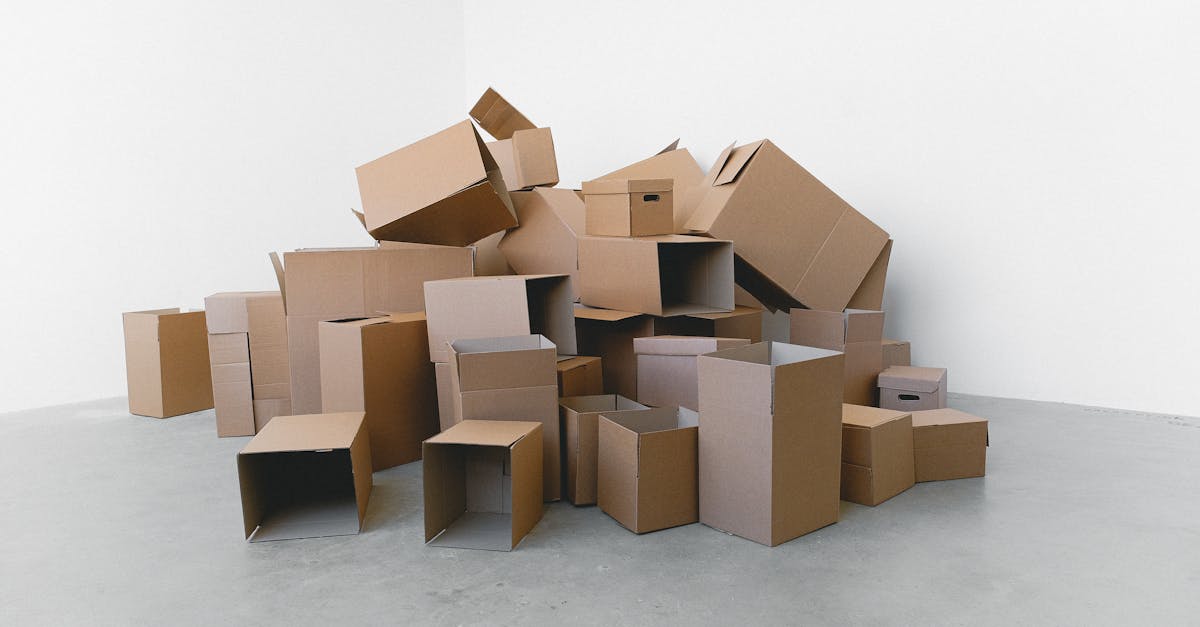
The stack of clothes on the ‘to donate’ pile has been sitting there for three weeks. Your pantry purge stalled halfway through, leaving a confusing mix of ‘keep’ and ‘maybe’ items. You’ve read all the decluttering books, watched the shows, and even tried a few methods, but the lasting clarity you crave remains elusive. The common belief is that you just need more motivation or stronger willpower. In my experience, that’s not the full picture. The truth is, decluttering, especially in large volumes, is a marathon of small decisions, and our brains have a finite capacity for them. What often derails our best intentions isn’t a lack of desire, but rather an invisible wall called decision fatigue.
Key Takeaways
- Decluttering success hinges on minimizing decision points, not just on motivation.
- Break down large decluttering projects into micro-sessions to conserve mental energy.
- Implement a strict ‘one decision per item’ rule to prevent analysis paralysis.
- Create predefined categories and clear ‘exit routes’ for items before you start sorting.
The Real Cost of “Just Deciding” on Every Item
When I first started my serious decluttering journey, I believed, like many, that it was a simple matter of looking at an item and deciding ‘keep or toss.’ I’d carve out entire Saturdays, brimming with enthusiasm, ready to tackle a whole room. By lunchtime, I’d be mentally exhausted, staring blankly at a single drawer that had consumed two hours. The sheer number of choices I had to make for each item—Do I need this? Have I used it? Does it spark joy? Where will it live? Can I replace it easily?—was overwhelming. This constant mental taxation drains your cognitive resources, leading to poorer decisions, procrastination, and eventually, giving up altogether.
My turning point came when I realized I was approaching decluttering like a sprint when it’s actually an ultra-marathon. Each item, from a faded T-shirt to an old greeting card, demands a sliver of mental energy. Multiplied by hundreds, or even thousands, of items in a typical home, it’s no wonder we hit a wall. The mistake I see most often is trying to do too much at once, without acknowledging the very real biological limits of our decision-making capacity. What changed everything for me was recognizing decision fatigue and designing my decluttering approach around minimizing its impact.
Batching Decisions, Not Just Tasks
Instead of making a fresh decision for every single item, I learned to batch decisions. This is different from batching tasks. Batching tasks might mean decluttering all your shirts at once. Batching decisions means, for example, deciding ahead of time that any shirt with a stain or hole is automatically discarded, no questions asked. This pre-decision eliminates a significant mental load when you encounter such an item. It becomes a ‘no-brainer’ decision, preserving your energy for items that truly require consideration.
Another example: when decluttering my craft supplies, I once agonized over every half-used skein of yarn. Now, before I even open the box, I decide: “Any yarn that isn’t at least half a skein, or isn’t a color I actively love and have a project for, goes.” This blanket rule covers 70% of the items before I even touch them. This strategy accelerates the process dramatically, and crucially, reduces the mental friction that causes burnout.
The “One Decision Per Item” Rule: A Game Changer
One of the most insidious ways decision fatigue creeps in is when we allow ourselves multiple decision points for a single item. We pick up a shirt, decide to keep it, then immediately start thinking: “Where will this go? Do I have space? Do I need to buy a new hanger? Should I iron it now?” This is a trap. You’re trying to execute a storage solution during the decluttering phase, and it’s a guaranteed path to overwhelm.
My strict rule now is: one decision per item. That decision is solely about whether the item stays or goes. If it stays, it goes into a ‘keep’ pile (or box). If it goes, it immediately goes into a ‘donate,’ ‘trash,’ or ‘relocate’ pile. The ‘where does it live?’ question is deferred to a separate, later phase, usually once the entire category has been decluttered. This separation of concerns simplifies the process immensely. You’re not optimizing a system while simultaneously trying to prune it. You’re just making the core ‘yes/no’ decision, which is already demanding enough.
Establishing Clear “Exit Routes” Before You Start
Before I even open a drawer or closet, I now set up my “exit routes.” This means having clearly labeled bins or zones for everything that isn’t staying in that immediate area. For example, if I’m decluttering my bedroom closet, I’ll have:
- “Keep - Clothes” bin: For clothes staying in the closet, to be sorted and re-hung later.
- “Donate” bag: For items in good condition that someone else can use.
- “Trash” bag: For irreparably damaged items.
- “Relocate - Kitchen” bin: For kitchen items that somehow ended up in my closet.
- “Relocate - Office” bin: For office supplies, etc.
- “Unsure / 2nd Pass” box: (Crucially, this is a last resort and has a strict time limit, e.g., 24 hours). This box is for items I genuinely cannot decide on in the moment, to revisit quickly when my decision-making battery is recharged.
Having these predefined destinations prevents items from lingering in a limbo state, which is a major contributor to decision fatigue. You’re not making up a new category or destination for each item you decide to remove; the choices are already there. This structure provides a tangible framework for your mental process, reducing the improvisational load that drains your energy.
Micro-Sessions for Maximum Impact
The biggest myth in decluttering is that you need large, uninterrupted blocks of time. While appealing in theory, this sets you up for failure by maximizing exposure to decision fatigue. Instead, what actually works for me are micro-sessions. These are dedicated 15- to 30-minute bursts of highly focused decluttering, leveraging the strategies above.
For example, instead of a “kitchen decluttering day,” I’ll do: “Tuesday, 7 PM: Declutter the spice drawer for 20 minutes.” During those 20 minutes, I have my trash bag ready, my ‘relocate’ bin nearby, and my pre-decision rules in mind (e.g., any spice not used in 6 months, or expired, is gone). I don’t touch the utensil drawer, I don’t start reorganizing what’s left, and I definitely don’t start researching new spice rack solutions. I just make ‘keep or toss’ decisions for spices.
By keeping sessions short and hyper-focused on a tiny category, you minimize the number of decisions you have to make in one sitting. You finish feeling accomplished, not drained, and you’ve conserved enough mental energy to approach the next micro-session with renewed vigor. This steady, incremental progress is far more sustainable and effective than sporadic, exhausting marathons.
Frequently Asked Questions
What if I still feel overwhelmed even with micro-sessions?
Start even smaller. Instead of a drawer, pick a single shelf, or even just the top layer of items in a bin. Focus on a very specific type of item, like just pens or just old receipts. The goal is to build momentum and confidence with very small wins. Remember, the enemy is decision fatigue, so the fewer decisions in one go, the better.
How do I handle sentimental items that are hard to part with?
Sentimental items are notorious for causing decision fatigue because they carry heavy emotional weight. Set them aside for a dedicated “sentimental session” where you are well-rested and prepared. Limit the number of sentimental items you tackle in one session (e.g., 5-10 items). Also, consider alternatives to keeping the physical item, like taking a photo, digitizing letters, or creating a small memory box rather than a large bin of items.
What’s the best way to deal with the “Unsure” box?
The “Unsure” box should be a temporary holding place, not a permanent storage solution. Give yourself a strict deadline, such as revisiting the box within 24-48 hours, or at the end of the week. If you haven’t needed or thought about the item by that deadline, it’s usually a strong indicator that you can let it go. If you’re still unsure, consider a ‘testing phase’ where you designate a specific spot for the item and see if you actually use it over the next month.
How do I stop myself from just moving clutter to another room?
This is where your predefined “exit routes” become crucial. If an item belongs in another room, it goes directly into a “relocate” bin for that room. The rule is that the item never touches another surface in the current room once you’ve decided to move it. Once your decluttering session for the current area is over, immediately take the “relocate” bins to their designated rooms. Don’t leave them sitting. This ensures clutter truly moves to its proper home, or out of the house, instead of just migrating.
Should I buy storage solutions before or after decluttering?
Always declutter before buying storage solutions. Buying storage first is a common mistake that often leads to simply organizing clutter, not eliminating it. Once you know exactly what you’re keeping, you’ll have a much clearer idea of the storage you actually need, often finding you need far less than you thought.
Mastering decluttering isn’t about having endless willpower; it’s about outsmarting your brain’s natural tendency towards decision fatigue. By breaking down the process into manageable, low-decision chunks, establishing clear rules, and preparing your exit routes, you create a sustainable path to a tidier home. The goal isn’t just to clear the clutter, but to build a system that prevents it from piling up again, one small, intentional decision at a time. Start with just 15 minutes and one small category today – you’ll be surprised by the lasting impact.