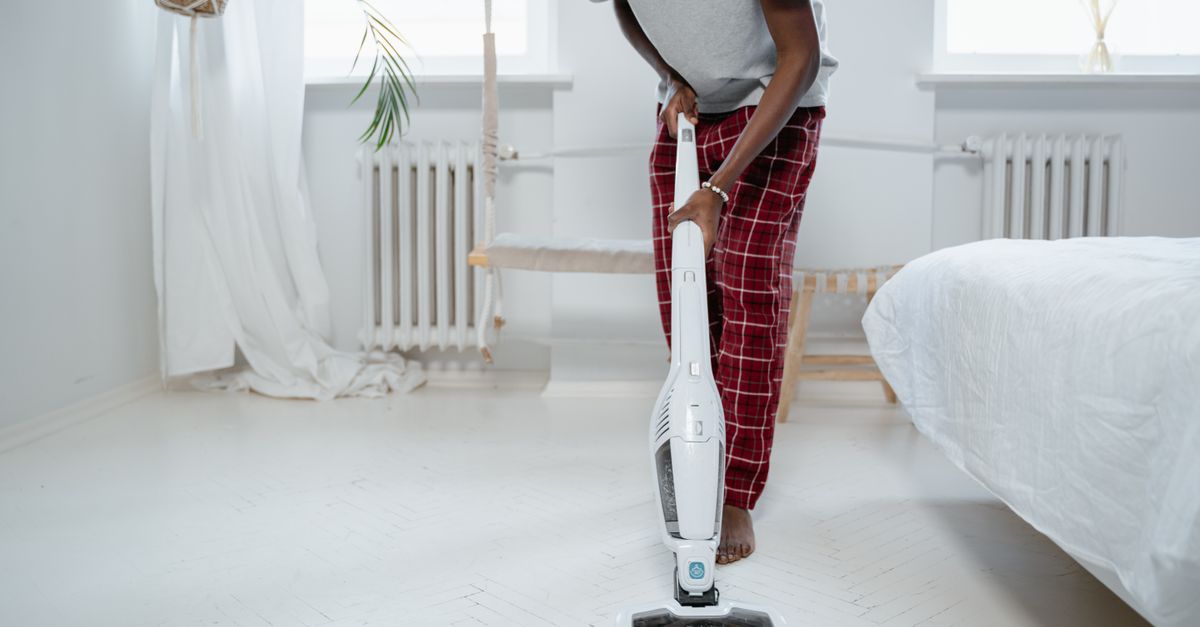
The weekend arrives, and instead of savoring a quiet morning with coffee or heading out for a hike, you find yourself staring down a formidable list of cleaning chores. Dust bunnies have multiplied into dust bison, the kitchen counter is a monument to last week’s meals, and the bathroom… well, let’s just say it’s seen better days. You vowed this week would be different. You’d keep things tidy. Yet, here you are, once again, sacrificing precious weekend hours to a cleaning frenzy that feels less like maintenance and more like damage control. This isn’t a failure of willpower; it’s a failure of routine, specifically, overlooking the small, almost invisible daily tasks that silently erode your home’s tidiness and steal your precious leisure time.
In my experience, the biggest mistake people make isn’t a lack of desire to keep a clean home, but rather a profound underestimation of how much small, neglected daily tasks compound. We think, ‘Oh, I’ll just wipe that down later,’ or ‘The dust isn’t that bad.’ But ‘later’ becomes a week, and ‘not that bad’ transforms into an hour-long scrubbing session. What changed everything for me was realizing that my weekend cleaning marathons were directly proportional to my weekday cleaning omissions. By integrating a handful of almost-effortless daily actions, I reclaimed my weekends and, surprisingly, found more peace during the week. It’s not about perfection; it’s about strategic consistency.
Key Takeaways
- Neglecting small daily cleaning tasks guarantees longer, more exhausting weekend cleaning sessions.
- A ‘reset’ mindset for each room before leaving it significantly reduces accumulated grime and clutter.
- Incorporating micro-cleaning habits throughout the day prevents dirt and dust from settling in.
- Proactive planning, like preparing cleaning supplies the night before, eliminates friction for morning tasks.
The Overlooked Power of a Five-Minute Kitchen Reset
One of the biggest culprits stealing your weekend is a neglected kitchen. Think about it: food residue left on the counter, crumbs on the floor, unrinsed dishes in the sink. Each night these small neglects harden, dry, and become more difficult to remove. A five-minute kitchen reset before you leave the kitchen for the evening can save you an hour or more of scrubbing later. I’m not talking about deep cleaning; I’m talking about a surface-level sweep that prevents things from escalating.
The mistake I see most often is people thinking they need to clean the kitchen every night, which feels overwhelming. Instead, focus on resetting it. This means wiping down all reachable counter surfaces, quickly rinsing any dishes and loading them into the dishwasher (or at least soaking them), and doing a quick sweep or vacuum of the floor if you’ve been cooking heavily. If you spill something, clean it immediately. Sounds obvious, right? But how often do we let that splash of coffee dry into a stubborn ring, or those crumbs become part of the floor’s permanent texture? When you tackle these small messes as they happen, they take literally seconds. Left for days, they demand real elbow grease. Imagine walking into a clean kitchen every morning, knowing you won’t face hardened spills or a sink full of forgotten food. This daily discipline prevents the buildup that leads to a full weekend morning spent battling grime.
The Bathroom’s Daily Double-Whammy: Moisture and Grime
Bathrooms are high-traffic, high-moisture zones, a perfect breeding ground for soap scum, mildew, and general grime. Many people wait until the weekly deep clean to address these issues, only to find the buildup has become cemented. This is where ignoring a few daily swipes costs you double: more scrubbing effort and a less hygienic space.
What changed everything for me was implementing a simple rule: wipe down the sink and counter after every use, and the shower walls after the last shower of the day. Keep a small, dedicated micro-fiber cloth and an all-purpose cleaner (or just water for quick wipes) within arm’s reach in both the shower and by the sink. After brushing your teeth, a 30-second wipe of the sink basin and counter prevents toothpaste splatters and water spots from hardening. After showering, a quick 60-second wipe or squeegee of the shower walls drastically reduces soap scum accumulation. This might feel like a minor inconvenience at first, but it prevents the calcium and soap scum from bonding to surfaces, making weekly cleaning a breeze. Instead of scrubbing for 20 minutes to remove weeks of buildup, you’ll find your weekly wipe-down takes a mere five minutes. This small, consistent effort keeps your bathroom looking fresh and feeling far more sanitary without ever needing a weekend attack plan.
The Surface Strategy: Preventing Clutter Before It Lands
Flat surfaces—coffee tables, entry tables, nightstands, desks—are magnets for clutter. A single book, a remote, a stray piece of mail. Individually, they’re harmless. Cumulatively, by Friday, they create a visual cacophony that makes your entire home feel messy, even if the floors are clean. This accumulation of ‘landing pad’ clutter is often the first visible sign of a home spiraling into disarray, forcing you to dedicate weekend time to simply moving things, not truly cleaning.
My approach to this common pitfall is to apply the ‘naked surface’ rule. Before I leave any room, or at the very least before I go to bed, all major flat surfaces should be as naked (clear) as possible. This means putting books back on shelves, returning remotes to a designated holder, filing mail, and moving any stray items to their proper home. The mistake is letting items accumulate ‘just for a moment’ until the next time you leave the room. But ‘a moment’ becomes a day, then a week. By cultivating the habit of clearing surfaces as you move through your day, you prevent the visual clutter that shouts ‘messy home’ and requires a full decluttering session on your precious weekend. This simple habit keeps your home looking perpetually tidy, not just after a weekend sprint.
Laundry’s Daily Dance: The Basket Barrier
Laundry is one of those chores that can quickly overwhelm a home, turning chairs into clothing piles and floors into obstacle courses. Waiting until the weekend to do all your laundry is a common strategy, but it often means sacrificing an entire morning or afternoon, plus dealing with larger, heavier loads. This is a classic example of how delaying a small task multiplies its impact.
The key insight here is to prevent dirty clothes from scattering throughout your home. The mistake is allowing dirty clothes to migrate from their point of removal to any available surface. What changed everything for me was placing a laundry basket in every bedroom and bathroom, and making it an ironclad rule that all dirty clothes go directly into the basket. Then, instead of a marathon wash session, I aim to do one small load of laundry per day, or every other day. This means less sorting, lighter loads, and clothes are washed and put away quickly, preventing the dreaded laundry mountain. A daily load takes perhaps 15-20 minutes from start to finish (actual interaction time is probably five minutes), compared to several hours of solid work on a Saturday. This simple shift ensures you never have a ‘laundry day’ that consumes your weekend, but rather a continuous, manageable flow.
Proactive Preparation: The Night-Before Advantage
Sometimes, the biggest hurdle to maintaining a tidy home isn’t the task itself, but the friction involved in starting it. The mental effort of gathering supplies or deciding what to tackle can be enough to derail even the best intentions. This often leads to tasks being put off until the weekend, when the sheer volume of accumulated work forces your hand.
What changed everything for me was embracing proactive preparation. For example, if I know I want to quickly wipe down the bathroom counter in the morning, I’ll place the cleaning spray and cloth on the counter the night before. If I plan to do a quick vacuum of the living room, I’ll ensure the vacuum cleaner is unplugged and ready to go, not tucked away in a closet. This might sound trivial, but it eliminates the decision fatigue and physical effort of retrieval, making the task feel genuinely effortless. It’s like setting out your gym clothes the night before to make your morning workout more likely. By removing these small barriers, you significantly increase the likelihood that you’ll complete these minor cleaning tasks during the week, thereby safeguarding your weekend for actual rest and enjoyment. This ‘night-before advantage’ transforms daunting small tasks into automatic actions, turning potential weekend chores into invisible weekday wins.
Frequently Asked Questions
Q: I’m already so busy. How do I find time for these daily tasks?
A: The key is to integrate them into existing routines rather than adding new, separate blocks of time. For example, wiping the sink after brushing teeth, or wiping the counter as you wait for coffee to brew. These are micro-tasks that take less than a minute. The time saved from a shorter weekend cleaning session will far outweigh these small daily efforts.
Q: What if I miss a day or two? Does it ruin the whole system?
A: Absolutely not. The goal is consistency, not perfection. If you miss a day, simply pick up where you left off the next day. The beauty of these small routines is that the impact of a single missed day is minimal, unlike neglecting everything for a whole week. Don’t let perfect be the enemy of good.
Q: I live with others who don’t follow these routines. How can I get them on board?
A: Start by modeling the behavior without lecturing. Often, a visibly tidier space encourages others to contribute, even if it’s just by returning items to their spot. You can also make it a family challenge or assign specific, easy daily tasks to each family member, emphasizing how it frees up weekend time for shared activities.
Q: What’s the one thing I should start with if I’m overwhelmed?
A: Begin with the five-minute kitchen reset each evening. The kitchen is often the heart of the home, and keeping it tidy has a disproportionately positive impact on how clean the entire home feels. It’s a highly visible win that can motivate you to add other micro-routines.
Q: How do I choose the right cleaning products for these quick wipes?
A: For most daily tasks, a multi-surface cleaner or even just water and a microfiber cloth will suffice. You don’t need harsh chemicals for daily maintenance. Keep it simple and effective to reduce friction. Many people opt for diluted vinegar or an eco-friendly all-purpose spray for general wiping.
Sacrificing your weekends to a monumental cleaning effort isn’t a badge of honor; it’s a sign that your weekday routines need a strategic overhaul. By embracing the power of tiny, consistent actions, you’re not just cleaning your home; you’re reclaiming your time, your peace of mind, and your most valuable days off. Start with one small habit, experience the shift, and watch your weekends transform from chore-filled marathons to true havens of rest. Your future self on Sunday afternoon will thank you.