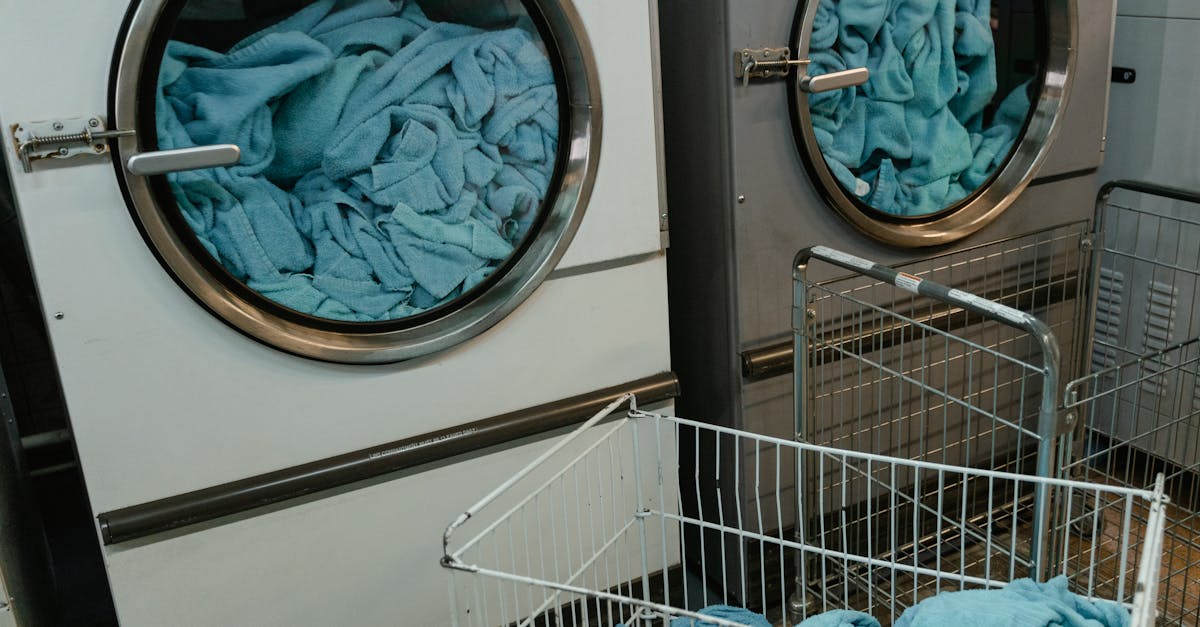
You probably think you know how to do laundry. It’s a fundamental household chore, right? Toss clothes in, add detergent, press start. Easy. But if your ‘clean’ clothes often emerge still smelling a bit off, looking dull, or just not feeling quite right, I’m here to tell you that the seemingly simple act of laundry is full of subtle traps. In my experience as someone who’s spent years perfecting home cleaning routines, most people are making at least one, if not all five, of these critical laundry mistakes, and it’s costing them more than just truly clean clothes. It’s costing them money in wasted detergent, premature fabric wear, and the frustration of re-washing.
What changed everything for me was looking beyond the basics and understanding the why behind each step. It’s not just about getting clothes wet; it’s about creating the optimal conditions for dirt and grime to release their grip. If you’re tired of pulling clothes from the dryer that still feel… meh, then it’s time to re-evaluate your laundry day habits. These aren’t obscure, fancy techniques – they’re practical, often counter-intuitive adjustments that deliver noticeably cleaner, fresher, and longer-lasting garments.
Key Takeaways
- Overfilling your washing machine is the primary culprit behind dingy clothes and wasted detergent.
- Using too much or too little detergent is equally detrimental to effective cleaning and rinses.
- Neglecting to clean your washing machine regularly allows mold, mildew, and detergent residue to accumulate and transfer to your laundry.
- Washing all items on the same setting without sorting by fabric type and soil level compromises both cleanliness and garment longevity.
- Skipping an immediate transfer to the dryer or proper line drying encourages mildew growth and wrinkles, negating your wash efforts.
1. You’re Overfilling the Machine Every Single Time
This is the cardinal sin of laundry, and it’s the mistake I see most often. We all want to get laundry done faster, so we cram as many items as possible into one load. The logic seems sound: fewer loads mean less time and less water. The reality, however, is that an overloaded washing machine is essentially just tumbling your clothes in dirty water.
Think about it: for detergent to work effectively, water needs to circulate freely, dissolving the detergent and carrying it through every fiber of your clothing. Clothes need space to move, agitate against each other, and release dirt. When the drum is packed tight, none of this happens properly. The water can’t penetrate all the fabric, the detergent can’t dissolve evenly, and the dirt that does get loosened has nowhere to go but back onto other clothes.
What results are clothes that still carry odors, feel dingy, and haven’t actually been cleaned. You end up wasting water, energy, and detergent on a cycle that delivers subpar results. For a top-loader, the rule of thumb is to fill it no more than three-quarters full. For a front-loader, leave about a hand’s width of space between the top of the drum and your clothes. This seemingly small adjustment is the single biggest factor in achieving truly clean laundry.
2. You’re Misjudging Your Detergent Dosage
Another common misconception is that more detergent equals cleaner clothes. This couldn’t be further from the truth. Using too much detergent creates excessive suds that don’t rinse away properly. This residue can trap dirt, stiffen fabrics, irritate sensitive skin, and even lead to a buildup inside your washing machine, fostering mold and mildew growth. That ‘mildewy’ smell in your clean laundry? It’s often due to leftover detergent and the grime it’s trapping.
On the flip side, using too little detergent is also a problem. Modern high-efficiency (HE) washing machines use less water, so they require specifically formulated HE detergents that produce fewer suds. If you use non-HE detergent in an HE machine, you’ll get a suds explosion that can damage the machine. If you use too little HE detergent, or too little conventional detergent in a standard machine, you won’t have enough cleaning agents to break down dirt, oils, and odors effectively.
The solution? Read the instructions on your detergent bottle. Seriously. The cap usually has markings for different load sizes and soil levels. Start with the recommended amount for a normal load and adjust slightly based on how dirty your clothes actually are and the hardness of your water. In my experience, most people can cut back on their detergent by 20-30% and still get excellent results, sometimes even better results due to improved rinsing.
3. You’re Not Cleaning Your Washing Machine
This is the silent killer of fresh laundry. Your washing machine, the very appliance designed to clean, can become a breeding ground for bacteria, mold, mildew, and detergent residue. Every time you do a load, lint, soil, hard water minerals, and undissolved detergent are left behind. Over time, this buildup accumulates, particularly in the detergent dispenser, rubber gasket (on front-loaders), and within the drum itself.
What happens then? These accumulated nasties get transferred directly onto your ‘clean’ clothes during subsequent washes. That persistent musty smell that clings to your laundry, even after a wash? It’s almost certainly coming from a dirty machine.
To combat this, make it a non-negotiable part of your cleaning routine. Once a month, run an empty hot water cycle with two cups of white vinegar poured directly into the detergent dispenser. For front-loaders, pay special attention to the rubber gasket around the door. Pull it back and wipe away any accumulated gunk, mold, or trapped hair with a damp cloth and a bit of vinegar. Leave the machine door ajar between loads to allow the interior to dry completely and prevent mildew. This simple habit will make a dramatic difference in the freshness of your laundry.
4. You’re Washing Everything on the Same Setting
Do you toss all your clothes—jeans, delicates, towels, activewear—into one load and hit ‘normal’ or ‘mixed’? While convenient, this approach is doing a disservice to your garments and compromising their cleanliness. Different fabrics, colors, and soil levels require different care to be cleaned effectively and to preserve their integrity.
- Hot water is great for heavily soiled whites and durable items like towels and bedding, effectively killing germs and removing tough stains. However, it can fade colors and shrink certain fabrics.
- Warm water is a good all-around choice for most permanent press items and moderately dirty clothes, balancing cleaning power with fabric protection.
- Cold water is best for dark colors, delicates, and items prone to shrinking or fading, saving energy in the process.
Beyond temperature, the agitation level matters. Heavy-duty cycles use more vigorous tumbling and spin speeds, ideal for durable items like denim or work clothes. Delicate cycles offer gentle agitation and slower spin, crucial for protecting lace, silk, or knitwear. Ignoring these distinctions leads to faded colors, stretched fabrics, premature wear, and even less effective cleaning for items that need a more targeted approach.
In my experience, a simple sort into whites/lights, darks, and delicates/activewear (which often benefit from cooler water and specialized detergents) is usually sufficient. This small effort upfront pays dividends in brighter colors, less damage, and truly cleaner laundry that lasts longer.
5. You’re Leaving Washed Clothes in the Machine
This is another habit born of convenience that directly undermines all your efforts. You finish a load, but you’re busy, so you leave the wet clothes in the washing machine for ‘just a little while.’ An hour turns into two, then four, and suddenly, you’ve got a load of clothes that smell distinctly musty, even though they just went through a wash cycle.
The inside of a washing machine, particularly after a cycle, is a warm, dark, and damp environment – the perfect breeding ground for mold and mildew. These microscopic fungi thrive in such conditions, and they quickly colonize damp fabrics. The musty odor they produce is notoriously difficult to remove without re-washing, often with added vinegar or a specialized laundry sanitizer.
What changed everything for me was establishing a hard rule: transfer clothes to the dryer (or line) immediately after the wash cycle ends. Set a timer, do another chore nearby, or schedule your laundry for when you know you can be present for the entire process. If you absolutely can’t get to them, run another quick rinse cycle before drying. For items that need to air dry, hang them promptly and ensure good air circulation to prevent mildew. Neglecting this final, crucial step means wasting all the detergent, water, and energy you just used, forcing you to start all over again and shortening the lifespan of your garments.
Frequently Asked Questions
How often should I clean my washing machine?
I recommend cleaning your washing machine at least once a month. If you do a lot of heavily soiled loads, or notice a persistent musty smell, you might need to do it more frequently, perhaps every two to three weeks.
Can hard water affect my laundry’s cleanliness?
Absolutely. Hard water contains minerals that can react with detergent, making it less effective, and leaving behind residue that can make clothes feel stiff and look dull. Consider using a water softener for your laundry or adding a water softening booster to your wash cycle if you have particularly hard water.
Is it better to use liquid or powder detergent?
Both can be effective. Liquid detergent tends to dissolve better in cold water and can be good for pre-treating stains. Powder detergent is often more budget-friendly and can be slightly more effective at tackling heavily soiled items and hard water mineral deposits. The key is using the right amount and ensuring it dissolves fully.
How do I prevent my dark clothes from fading?
Always wash dark clothes in cold water to minimize dye bleed. Turn them inside out before washing, use a detergent specifically designed for dark colors, and avoid overloading the machine. Promptly remove them from the washer and dry on a low heat setting or air dry out of direct sunlight.
What temperature should I wash towels and bedding?
For optimal hygiene and cleanliness, especially for items that come into contact with body fluids, I recommend washing towels and bedding in hot water. This effectively kills bacteria and dust mites. Always check care labels, as some delicate bedding may require warm or cold water.